A brief explanation on Teslas OPTIMUS V3
 </a
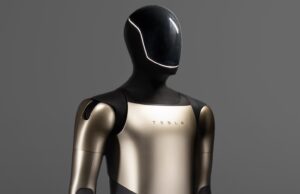
</aTesla Optimus V3 — What it is and why it matters
A concise look at Tesla’s Optimus V3: design highlights, production goals, practical uses and what to watch for.
Quick summary
Optimus V3 is Tesla’s third major humanoid robot iteration, focused on improved dexterity, cleaner mechanical packaging and stronger AI/voice integration. Tesla aims to move from demos to scaled production — though real-world reliability and cost remain key challenges.
Key features
- Improved dexterity: more degrees of freedom in the hands for finer manipulation.
- Sleeker design: exterior panels hide much of the mechanism for a cleaner look.
- Grok/AI integration: built-in voice and AI to assist with instructions and interactions.
- Production goal: Tesla aims for mass production and lower unit costs once scaled.
Why it matters
Humanoid robots that can operate in human spaces have the potential to affect industrial labour, logistics and home assistance — and companies with existing AI + manufacturing scale may move faster than specialized robotics startups.
Pros & Cons
Pros
- Strong AI and manufacturing backing from Tesla
- Potentially broad task capability (industry + domestic)
- Ambitious cost targets if volume is achieved
Cons
- Scaling humanoid robotics is technically very hard
- Timelines and reliability remain uncertain
- Supply chain and real-world safety/testing risks
Practical use cases
- Factory support and repetitive tasks
- Logistics — moving/packing boxes in warehouses
- Assistance in controlled service environments (hotels, labs)
FAQ
Further reading & resources: Add links here to demos, Tesla blog posts, or press coverage for credibility. (Replace this placeholder with source links.)
If you want this post formatted as a ready-to-publish WordPress post (featured image + tags + Yoast fields filled), tell me and I’ll produce the meta fields and image captions for you.