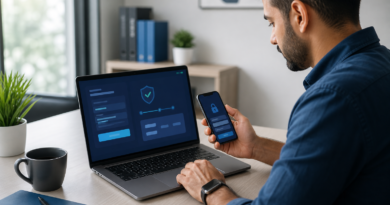
Crypto Wallet Safety Checklist: 30 Essential Checks for Beginners
A crypto wallet can be secure only when its owner follows consistent habits. Use this checklist when setting up a wallet, receiving cryptocurrency or preparing a transfer. It applies to beginners using either an exchange account or a self-custody wallet, although individual apps may use different terminology.
Before choosing a wallet
- ☐ Confirm the wallet supports the cryptocurrency and network you plan to use.
- ☐ Download software only from the developer’s official website or verified app-store listing.
- ☐ Research the provider independently rather than following an unsolicited link.
- ☐ Understand whether the wallet is custodial or self-custody.
- ☐ Check what happens if you lose your password, device or recovery phrase.
Device and account security
- ☐ Install operating-system and security updates.
- ☐ Protect the device with a strong PIN, password or biometric lock.
- ☐ Use a unique wallet or exchange password.
- ☐ Store passwords in a reputable password manager.
- ☐ Enable app-based two-factor authentication or a security key where supported.
- ☐ Save authentication backup codes offline.
- ☐ Turn on login, withdrawal and transaction notifications.
Recovery-phrase checklist
- ☐ Write the phrase down in the exact order during wallet setup.
- ☐ Check every word for spelling before adding funds.
- ☐ Store the primary backup somewhere secure and private.
- ☐ Consider a second offline backup in a separate secure location.
- ☐ Protect backups from theft, fire and water.
- ☐ Never store the phrase in email, screenshots, ordinary cloud notes or chat messages.
- ☐ Never share it with support staff or anyone offering account recovery.
- ☐ Never type it into a page opened through an advertisement or unsolicited message.
Before receiving cryptocurrency
- ☐ Select the intended asset and network in the receiving wallet.
- ☐ Generate the receiving address inside the official wallet.
- ☐ Check whether a destination tag or memo is also required.
- ☐ Share only the public receiving address—not a private key or recovery phrase.
- ☐ Keep the wallet open until you have checked the pasted address.
Before sending cryptocurrency
- ☐ Confirm the recipient and the reason for the payment independently.
- ☐ Check that both platforms support the same blockchain network.
- ☐ Compare the first and last characters of the pasted address.
- ☐ Review the asset, network, amount and transaction fee.
- ☐ Send a small test transfer before a larger amount.
- ☐ Wait for the test to arrive before continuing.
- ☐ Never send funds because a caller claims they must be moved to “safe storage.”
Phishing and scam checks
- ☐ Type important website addresses yourself or use a trusted bookmark.
- ☐ Inspect the full domain name before signing in.
- ☐ Ignore guaranteed returns and secret trading opportunities.
- ☐ Do not join investment groups from unsolicited invitations.
- ☐ Refuse requests to install remote-access software.
- ☐ Verify customer-support contacts through the official application.
- ☐ Treat unexpected wallet approvals and signature requests as suspicious.
Monthly security review
- ☐ Review account activity, approved devices and active sessions.
- ☐ Remove wallet connections you no longer recognise or use.
- ☐ Confirm that your email and authentication methods remain secure.
- ☐ Update wallet and hardware-device software through official channels.
- ☐ Make sure the recovery backup is still readable and protected—without exposing or photographing it.
If something goes wrong
If a password may be compromised, change it from a trusted device and contact the platform through its official support page. If a self-custody recovery phrase has been exposed, the wallet should be treated as compromised; seek official guidance and consider moving assets to a newly created secure wallet. If money was sent to a scammer, contact your bank or exchange immediately and report the incident to the appropriate authorities. Be cautious of anyone promising to recover the funds for an upfront fee.
Build safer habits with the free course
Use this checklist alongside the wallet and account-protection lessons in the Free Crypto Starter Academy.
Educational disclaimer: No checklist eliminates every risk. Cryptocurrency transactions can be irreversible, and responsibility differs between custodial and self-custody services.