How to Buy Cryptocurrency Safely: A Beginner’s Step-by-Step Guide
Buying cryptocurrency for the first time can feel complicated, but the safest approach is deliberately slow. This guide explains the process without recommending any particular coin or promising an investment result. Cryptocurrency prices can move sharply, transactions may be irreversible, and you should never use money you cannot afford to lose.
1. Decide whether cryptocurrency is appropriate for you
Before opening an account, understand that crypto is a high-risk asset. There are no guaranteed returns. Start by learning the terminology, common fees and security responsibilities. A beginner does not need to act because a video, influencer or private messaging group says an opportunity is urgent.
2. Choose a legitimate exchange
Use a well-known exchange that is permitted to operate where you live. Check the company’s official website, legal name, support channels and fee schedule. Australian readers can check whether a digital currency exchange is registered by searching the relevant AUSTRAC register. Registration is not a guarantee that an investment is safe, but an unregistered platform is an important warning sign.
Type the exchange address into your browser yourself or use a saved bookmark. Avoid exchange links sent through unsolicited email, social media, WhatsApp or Telegram.
3. Secure your email before creating the account
- Use a unique password that you have not used on another website.
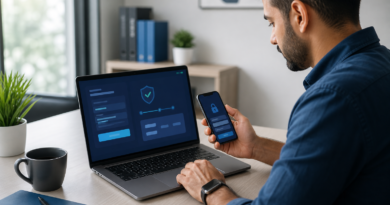
- Turn on multi-factor authentication for your email account.
- Store passwords in a reputable password manager rather than in notes or screenshots.
- Check that your phone and computer are updated before uploading identity documents.
4. Create and verify the exchange account
Open the exchange’s official app or website and enter your legal details accurately. A legitimate regulated platform may require proof of identity. Complete verification only after confirming the web address. Never send identity photographs to a person claiming to be support through direct messages.
5. Add a payment method carefully
Follow the instructions shown inside your verified exchange account. Read deposit, purchase and withdrawal fees before transferring money. For a first attempt, use a small amount so you can learn how the process works without exposing a large balance.
6. Review the order before buying
Check the asset name, ticker symbol, amount, exchange fee and final total. Confirm whether you are placing an instant market order or another type of order. This article is about safe procedure—not selecting which asset to purchase.
7. Protect the account immediately
Enable app-based two-factor authentication where available. Save backup codes offline and never disclose one-time codes to anyone. Exchange employees, police and government agencies will not need your password or recovery phrase to “secure” your cryptocurrency.
8. Decide where the crypto will be stored
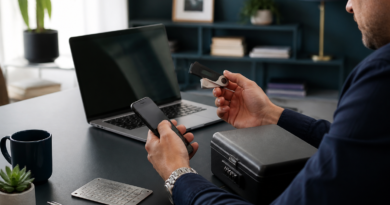
Keeping cryptocurrency on an exchange is convenient, but the exchange controls the private keys. A self-custody wallet gives you control but also makes you fully responsible for backups and transactions. Beginners should understand both choices before transferring anything. If you later move crypto, verify the receiving address and network and send a small test transaction first.
Beginner mistakes to avoid
- Following a link from an investment-tip group.
- Responding to guaranteed-profit claims.
- Buying under time pressure or fear of missing out.
- Sharing a password, authentication code or recovery phrase.
- Sending a large transfer before testing the address.
- Assuming a professional-looking website must be genuine.
Learn the process step by step
The Free Crypto Starter Academy explains exchanges, account protection, wallet safety and beginner terminology in plain English.
Useful official guidance
Educational disclaimer: This information is general education, not personal financial advice. Cryptocurrency is volatile and may result in the loss of some or all of your money. Rules, fees and platform availability vary by country.